
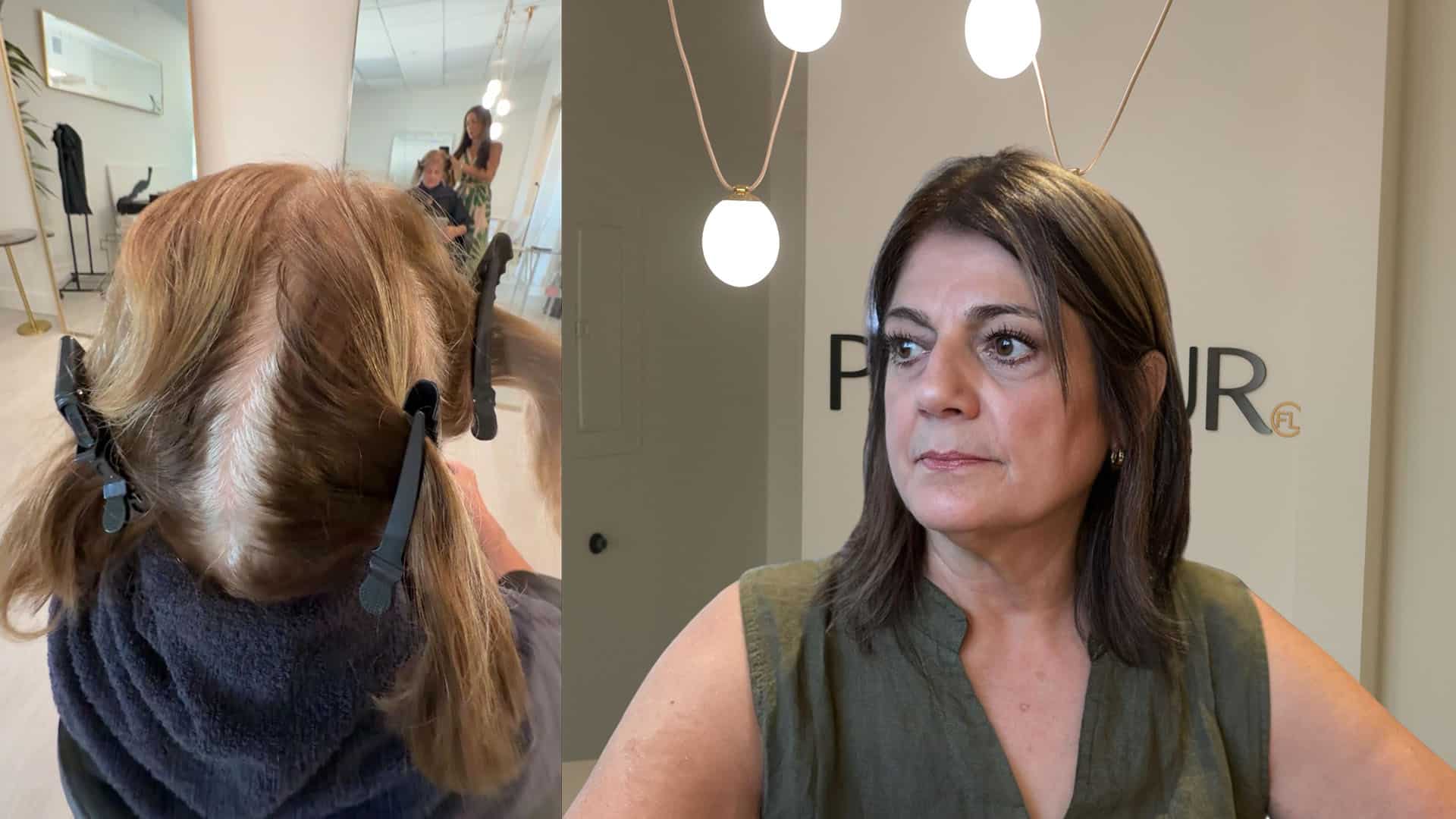
Silver against dark hair is the highest-contrast line there is. A before and after and why blending gray into brunette is a placement problem, not a lightening one.
On dark hair, a single silver strand shows from across the room. She knew that better than anyone — she'd been watching hers arrive at the temples and the part for a couple of years, and every option she'd tried had its own tell.
The flat brunette box color left a line she could have drawn with a ruler, three weeks in. The highlights a previous salon talked her into went brassy and striped, and somehow made the gray more obvious, not less. She wasn't trying to go blonde. She wasn't trying to look like someone else. She wanted her dark hair back with the gray handled in a way that didn't run her calendar.
"Every fix made it look more done. I wanted it to look like nothing had been done at all."
— Client, first consultation
The gray was never the problem. The contrast was.
Why is gray harder to blend on dark hair?
Contrast. Silver reading against a light-brown or blonde base is a soft difference. Silver against dark brown or near-black is the sharpest contrast hair can produce — which is why a grow-out line that would be forgivable on lighter hair looks like a stripe on dark hair. Gray blending on dark hair is less about lifting everything lighter and more about closing the distance between the gray and your base, so the eye stops catching the edge.
Do I have to go lighter to blend my gray?
Q: Does blending mean becoming a blonde?
No — and this is the assumption that sends most women toward a result they never wanted. You don't have to lighten your whole head to blend gray. On dark hair we usually keep you dark and work the blend within your depth: soft highlights that meet the gray partway, lowlights that rebuild the richness box color flattens, and tone that holds the whole thing together. Going lighter is a choice, not a requirement. Some of the most seamless dark-hair blends stay unmistakably brunette.
I tried highlights before and it went brassy and striped. Why?
Q: What went wrong the last time?
Two things, and they usually happen together. Lifting dark hair exposes the warm pigment underneath — the orange and red — and if the tone formulation doesn't neutralize it, that warmth is what you end up seeing. And highlights placed without depth around them read as stripes, because there's nothing bridging them back to your base. Gray blending highlights only work on dark hair when they're paired with lowlights and a tone built for your specific base. Any one of the three on its own is exactly how it goes striped.
So what does the blend actually involve on dark hair?
Q: What are you doing differently in the chair?
More than one technique at once. We place softened highlights where your gray concentrates — usually the temples and the part — so the silver reads as a lightened piece instead of a root. We weave lowlights through to rebuild the dimension flat color erased. We formulate tone specifically to control the warmth that lifting dark hair exposes. And we keep the root soft rather than lifted, so there's depth that transitions into the blend instead of a hard edge waiting to grow out.
“Nothing here is accidental.” — Deborah, Parlour FL
Is this one appointment, or several?
Q: How long does it take to get there?
It depends on where you're starting. From a virgin base or light previous color, we can often do it in one extended appointment. Coming off years of flat, dark box color — which sits heavy and lifts unevenly — we may stage it across two, to keep the hair healthy and get the tone right rather than forcing it in a single session. We tell you which at the consultation, before anything is mixed. We won't promise a one-visit result the hair can't safely give.
“She told me it would take two appointments to do it right — and why. Three salons had promised me one and left me worse.” — Client, post-consultation
Before and After
BEFORE
- Flat dark box color, redone every ~3 weeks
- Ruler-sharp regrowth line at part and temples
- Previous highlights gone brassy and striped
- Gray reading as more visible, not less
- Standing root appointments on the calendar
- Dark — but obviously colored
AFTER
- Dimensional gray blending: highlights, lowlights, tone
- Softened line; the grow-out reads as movement
- Warmth neutralized, no brass
- Gray integrated as lightness, not regrowth
- Back every 8–12 weeks, on her schedule
- Still unmistakably brunette: just seamless
How does it grow out on dark hair?
Q: Will the line come back?
Softly — which is the entire reason to do it this way. Because the blend meets the gray partway instead of covering it flat, new growth doesn't create a hard border. The silver coming in reads as part of the design rather than a line at the root. Most dark-hair blending clients come back every eight to twelve weeks, and there's no urgent point where it starts to look wrong. You come in when you're ready, not when your part decides for you.
A month out, she said the thing she noticed most wasn't the color. It was that she'd stopped checking her part in the rear-view mirror.
What it asks of her at home
A tone-supporting shampoo once or twice a week to keep warmth from creeping back between visits — dark hair lifted for blending will always want to pull warm, so this is the one habit worth keeping. Beyond that, not much. The work happens in the chair so her mornings don't have to carry it.
“On dark hair, the whole job is the transition. Get that right and it looks like it grew that way.” — Deborah, Parlour FL
Who is this for
This is for women with dark hair who are tired of the trade-off — flat coverage that lines up sharp, or highlights that go brassy and striped. Who don't want to go blonde to deal with their gray. Who want their dark hair to look like theirs, with the silver handled so quietly no one is sure what changed.
Gray blending on dark hair at Parlour FL is custom from the placement through the tone. There is no version of it that comes from a swatch — your contrast, your base, and the way your gray comes in are specific to you. The consultation is where it starts, and where we tell you honestly what it will take.
The consultation is where it begins: Color at Parlour FL in West Palm Beach
Parlour FL is a color and extension studio in West Palm Beach, Florida. We specialize in all-natural professional hair color for women who expect their color to perform — not just look right the week of the appointment.
More Related News
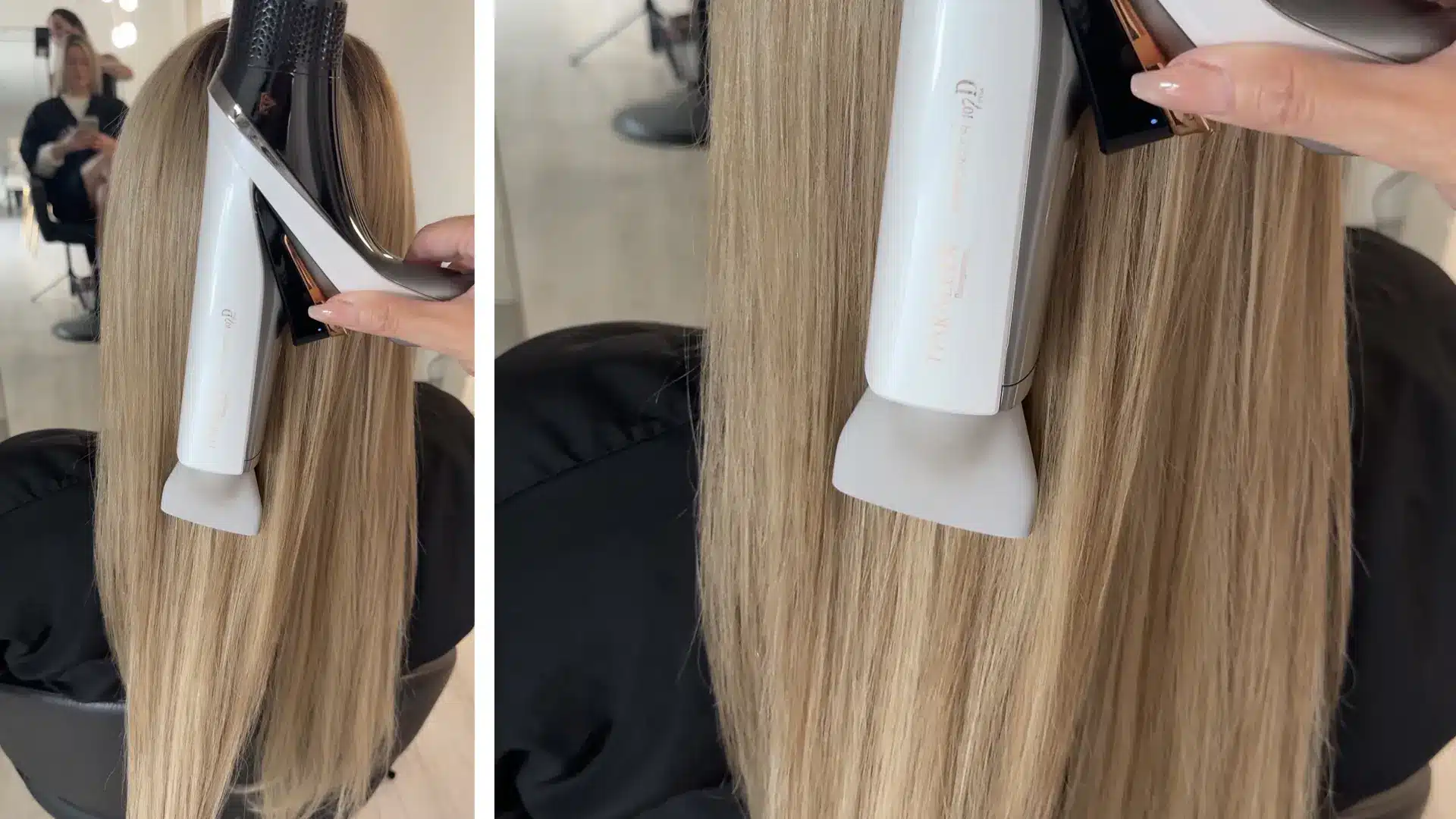
Your Blow Dryer Called. It Knows It’s Over.
One hour a month. A week of mornings that ask nothing of you. Parlour Priority is the blowout membership at Parlour FL in West Palm Beach. What it is, who it’s for, and why the women who join stop reaching for the round brush. It didn’t end badly. It just ended. For...
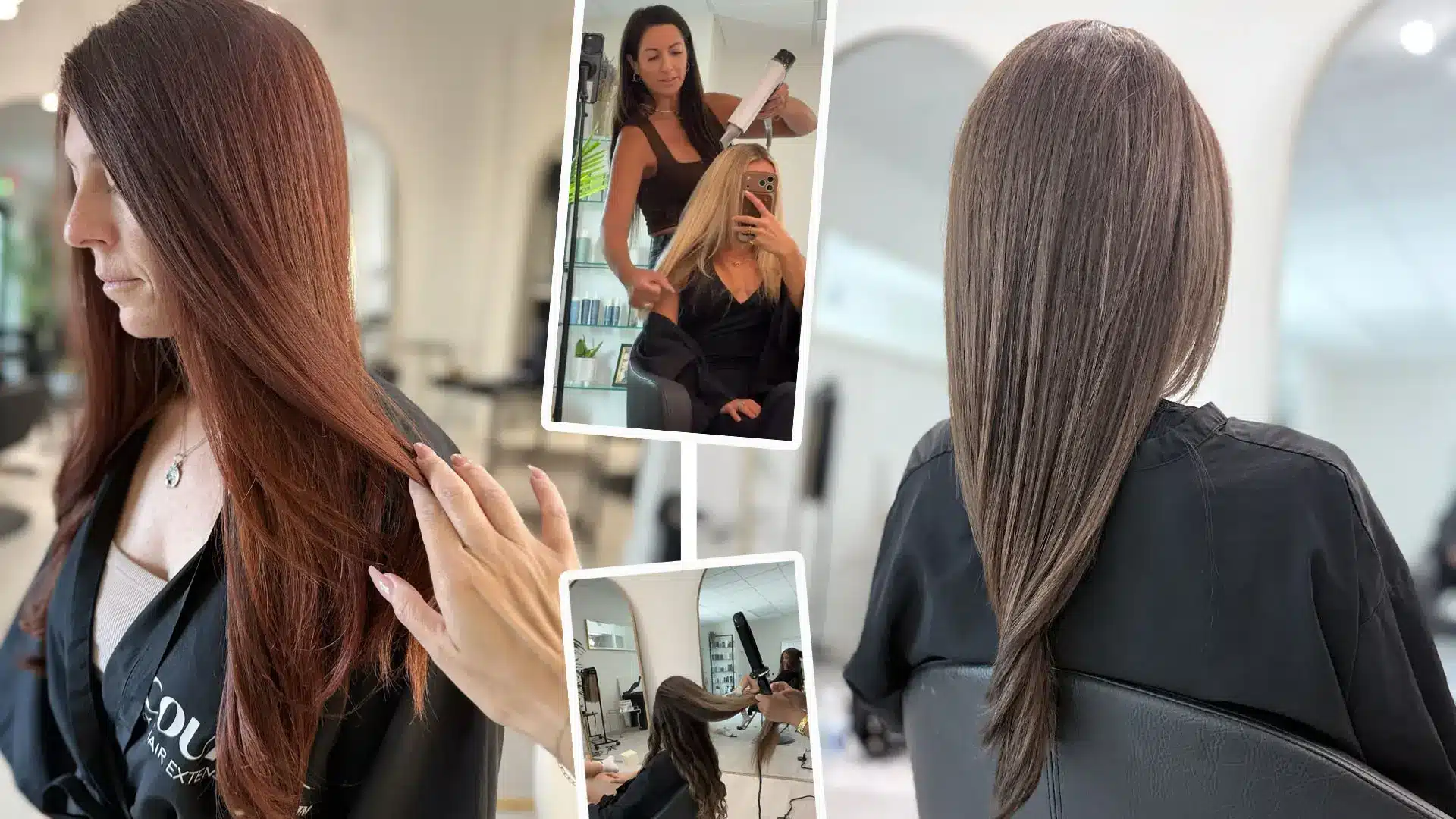
What Bioprogramming Actually Is, and Why I Made It the Standard at Parlour
The Japanese technology behind every appointment I do, explained the way I explain it in my chair. By Deborah Viscardi · Founder, Parlour FL The short answer Bioprogramming is a patented Japanese hair technology built into two devices: the Repronizer, which dries, and...
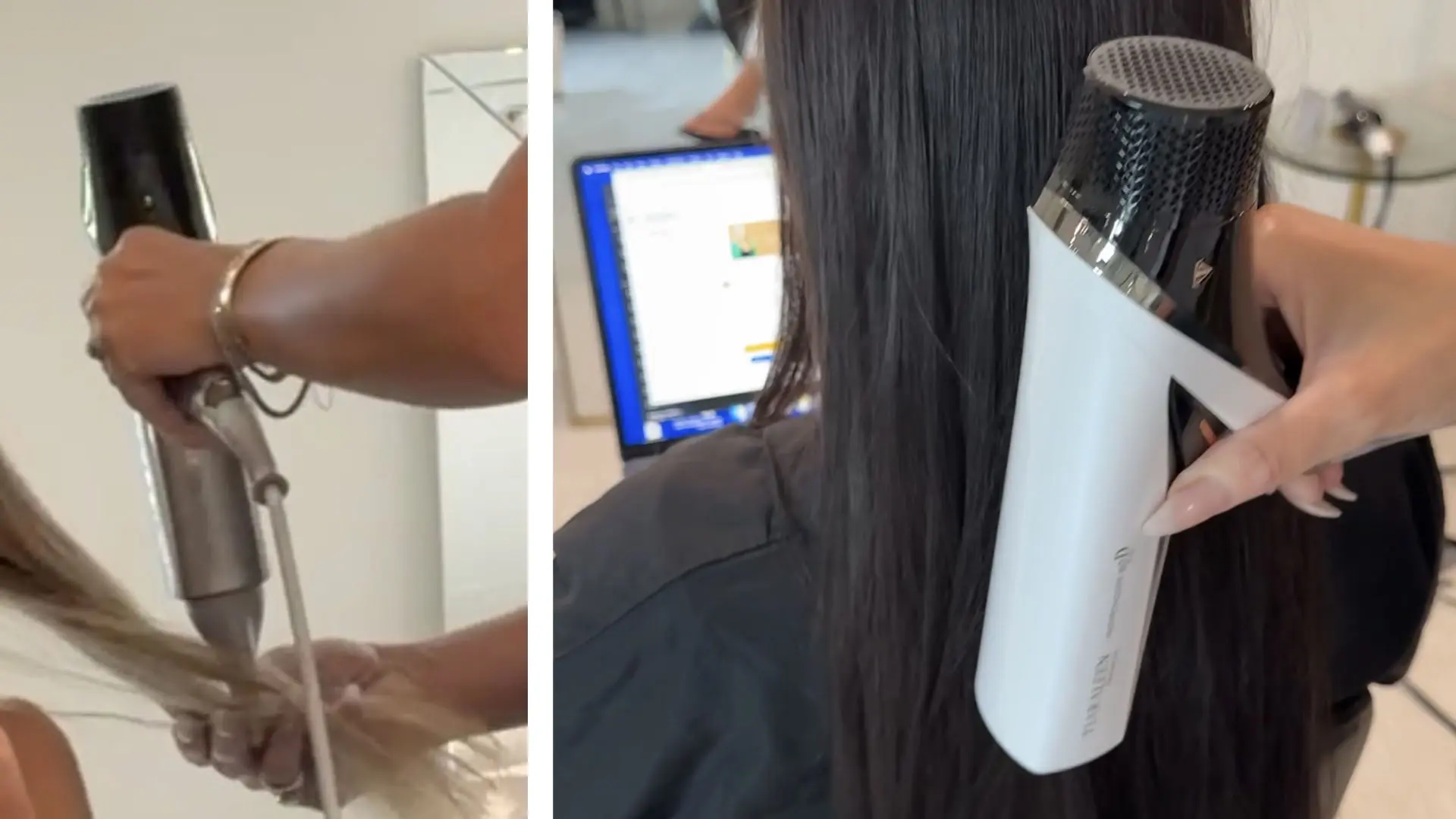
Should You Buy a Repronizer, or Have Bioprogramming Done First? What I Tell My Own Clients
I sell the devices. I could sell you one today. Here is why I usually tell you to wait. By Deborah Viscardi · Founder, Parlour FL The short answer Yes, the Repronizer is genuine, and it works. I still tell my own clients to feel Bioprogramming on their hair in my...